WHERE IT BEGAN
From tablets to fans
Leicester Museums says folded fans began in Japan, probably in the 8th century. The idea is thought to have come from thin wooden tablets held together by a rivet.
Follow the timeline doodlefans
WHAT THE COLLECTIONS SHOW
The hand fan is older than almost any accessory.
Follow the fan
8TH CENTURYprobable start in Japan
The folding fan, with its pleated leaf and pivoting sticks, began in Japan and became an essential part of European court dress. Museums and the City's fan makers still keep its story. Here is how it unfolded.
Updated
THE SHORT ANSWER
Fans have been used since ancient times.
The folding fan is the one that travelled furthest.
WHERE IT BEGAN
Leicester Museums says folded fans began in Japan, probably in the 8th century. The idea is thought to have come from thin wooden tablets held together by a rivet.
Follow the timelineTHE FOLDING FAN
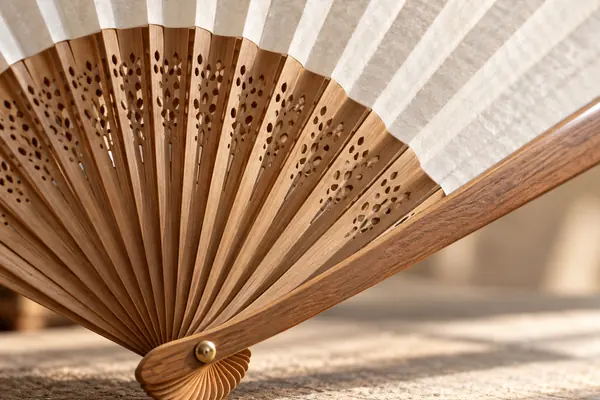
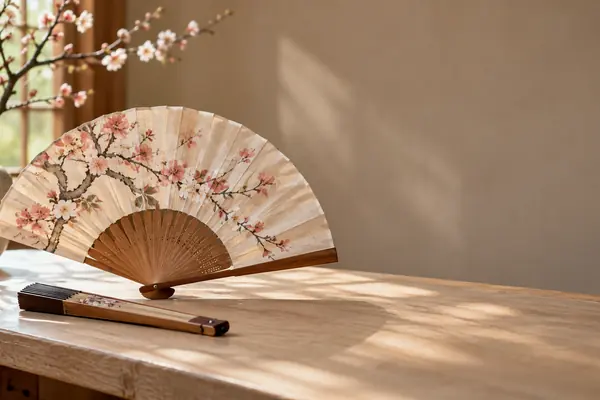
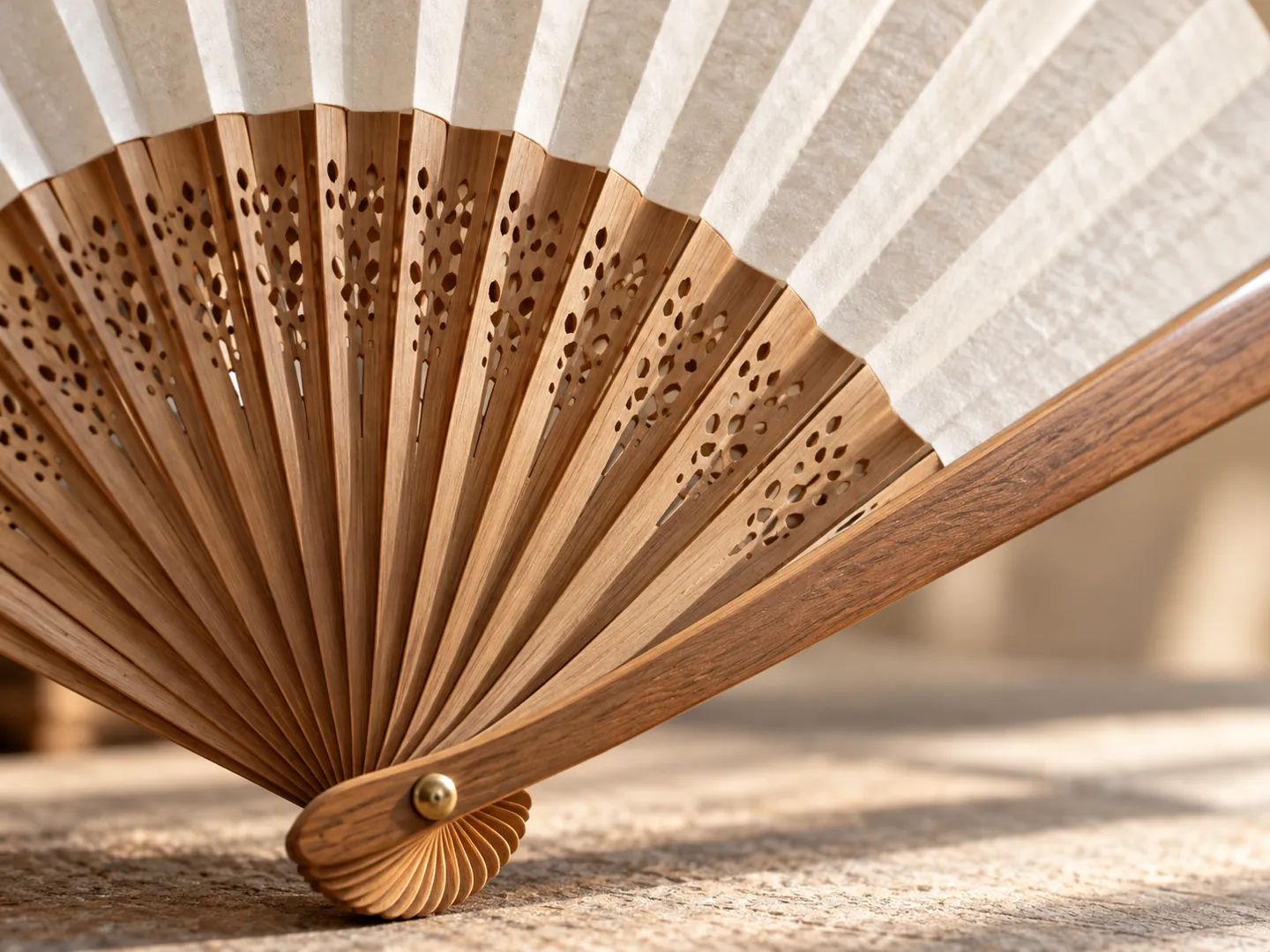
A folding fan has sticks that extend as ribs, with a leaf of folded material attached. In Europe sticks were wood or ivory and leaves lace, silk, paper, vellum or feathers.
Read a fanTHE BRISÉ FAN
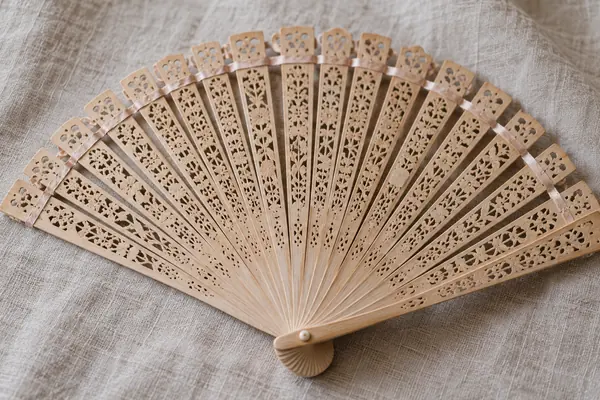
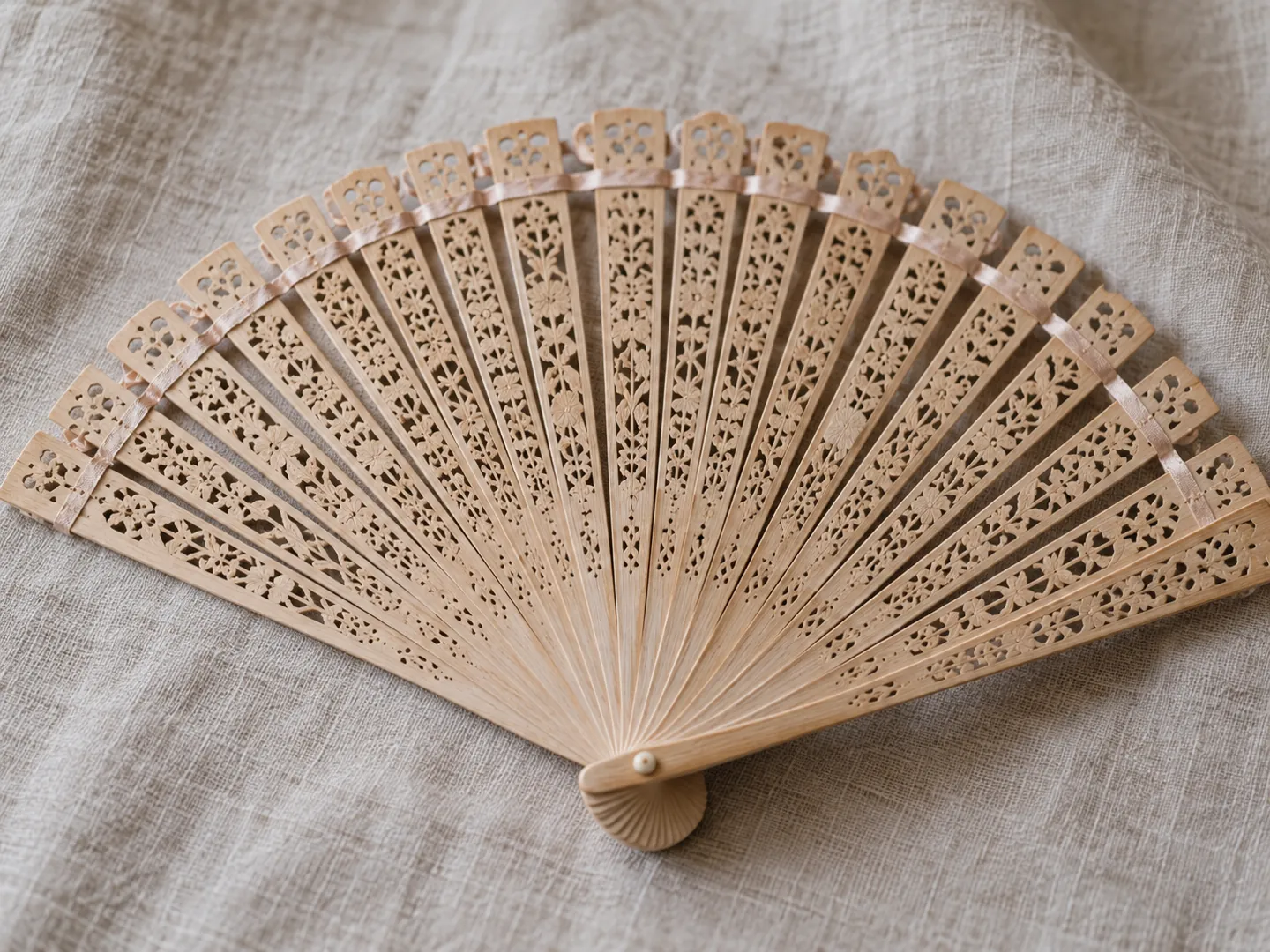
A brisé fan has sticks but no fan leaf. The V&A's earliest fan is a brisé fan of seven feather-shaped sticks, probably made in Florence in the 1620s.
See the numbersA QUICK TIMELINE CHECK
Pick a period to see what was happening to the folding fan in Europe. The bar shows how widespread fans were at the time, according to the sources.
Based on Leicester Museums and the Worshipful Company of Fan Makers' history of handheld fans.
TWO NUMBERS WORTH KNOWING
One figure from the age of fan factories,
one from the UK's only museum of fans.
100× faster
Gain in productivity from folding leaves by machine
The Worshipful Company of Fan Makers says a machine invented in 1845 to fold fan leaves improved productivity 100-fold. A machine to cut and pierce sticks followed in 1859.
1845 FOLDING MACHINE · FAN MAKERS
7,000+
Objects in its two collections
The Fan Museum's two collections exceed 7,000 objects and span more than 1,000 years of fan history, including a rare Elizabethan-period fan and Japanese court fans.
THE FAN MUSEUM, GREENWICH
The Fan Makers received their Royal Charter in 1709 and celebrated its tercentenary in 2009. Since 1939 the livery company has also embraced mechanical fans.
HOW TO READ A FAN
Museum descriptions use the same few terms. Knowing them makes a fan in a gallery, or in a family drawer, easier to understand.
A leaf of paper, vellum, silk or lace means a folding fan. Sticks alone mean a brisé fan. A handle with a fixed screen or feathers means a fixed fan.
The two outer sticks are the guards. Novelty fans hid a lorgnette, a thermometer, a mirror or a perfumed pad in a guard stick.
All the sticks turn on a rivet at the base, the same idea as the riveted wooden tablets the folding fan is thought to come from.
Late 18th-century printed fans carried riddles, dances, sheet music and even opera seating plans, and English makers led the way.
THE LANGUAGE OF THE FAN
In 1711 a letter in the Spectator described 'the exercise of the fan' with wit. In 1797 London makers sold 'Fanology' fans printed with motions meant to spell out the alphabet.
The version people know today, where drawing the fan across the cheek means 'I love you', came from a leaflet issued around a century later by a Paris fan maker's London branch. The Fan Makers call it a gimmick.
Questions
In Japan. Leicester Museums says folded hand fans originated there, probably during the 8th century, and that the idea is thought to have come from thin wooden tablets called mokkan held together by a rivet.
A folding fan has sticks with a pleated leaf of paper, vellum, silk or lace attached. A brisé fan is made solely of sticks, with no leaf; in the V&A's earliest fan the sticks are held together by a green silk ribbon.
Fans came from the East and are understood to have first arrived in Europe through Portugal in the 16th century. There were already 'fannes' in an inventory of the English Royal Wardrobe in 1600.
Partly as a joke and partly as marketing. A 1711 Spectator letter described 'the exercise of the fan', 1797 'Fanology' fans spelled out letters, and the familiar list of signals came from a later leaflet that the Fan Makers describe as a gimmick.
The Fan Museum in Greenwich, London, open since 1991, is the only museum in Britain devoted entirely to fans. The V&A and Leicester Museums also hold fans. Check with the curator before travelling to see a particular object.
ABOUT THIS NAME
doodlefans.com is part of the DoodleSale portfolio. It isn't in an auction right now, but you can ask about leasing it.